BMW 118i
Hatchback · Gasoline · FWD
vs
Ford Puma ST
Hatchback · Gasoline · FWD
BMW 118i
Car A
BMW 118i
The BMW 118i balances efficient running (5.5 L/100 km) with the practicality of a five-seat hatchback for city and small-family use. It prioritizes everyday ease over outright performance.
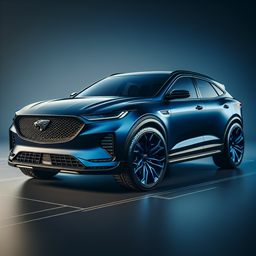
5 seatsHatchbackGasoline5-star safety5.5 L/100km
Ford Puma ST
Car B
Ford Puma ST
The Ford Puma ST combines lively performance with everyday usefulness, pairing 0–100 km/h in 6.7s with a 456 L boot and five seats. It’s efficient for its class at 6.9 L/100km and offers good value in its segment around 30,000.
5 seatsHatchbackGasoline5-star safety200 hp
Why compared cross brandsame body typesame powertrainsame seatssimilar price

Usage fit

Family 62 / 65
City 60 / 59
Budget / value 64 / 64
Road trip 41 / 41
Performance 30 / 28
Cargo 20 / 25
Practical 51 / 51
Premium 45 / 25
Winter 26 / 26

Scores out of 100. Blue = BMW 118i · Orange = Ford Puma ST

Specs side-by-side

Spec BMW 118i Ford Puma ST
Values are representative — confirm for your market and trim.

Pros & cons

BMW 118i

  • Efficient for its class at 5.5 L/100 km
  • Practical five-seat hatchback with a 360 L trunk
  • Easy to drive in the city thanks to FWD and compact size
  • Good value in its segment at about 35,000

Ford Puma ST

  • Punchy acceleration (0–100 km/h in 6.7s) for confident merging and passing
  • Efficient for its class at 6.9 L/100km to help manage running costs
  • Practical 456 L boot and five seats suit growing families
  • Pricing around 30,000 represents good value in its segment

Verdict

Pick BMW 118i if…
Best fuel economy
BMW 118i uses 5.5 L/100km vs 6.9 — a meaningful saving if you cover high mileage.
Pick Ford Puma ST if…
More power
Ford Puma ST puts out 200 hp vs 140 — meaningfully quicker and more confident on motorways.

Related comparisons